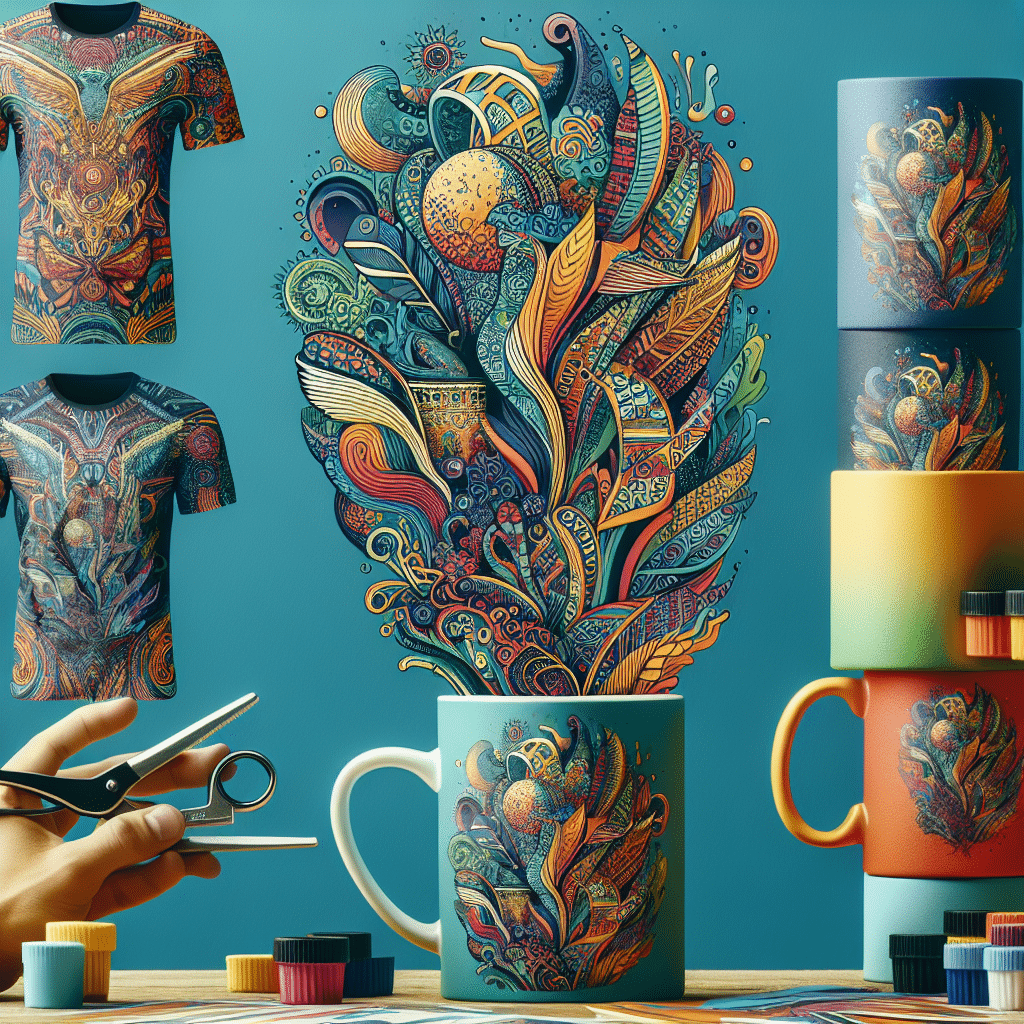
Imagine being able to turn your passion for creativity into a full-time income. With Print-on-Demand and Merchandise Selling, you can do just that. This article will show you the ropes on how to make money online by selling your own custom-designed products. Whether you have a knack for graphic design or a talent for witty slogans, this exciting opportunity allows you to unleash your creativity and turn it into a profitable business. Get ready to embark on a journey from side hustle to full-time success in the world of Print-on-Demand and Merchandise Selling.
Understanding Print-on-Demand and Merchandise Selling
What is print-on-demand?
Print-on-demand is a business model that allows individuals to create and sell custom merchandise without the need for upfront inventory or production costs. Instead of purchasing large quantities of merchandise upfront, you simply upload your designs to a designated platform, and whenever a customer places an order, the product is printed and shipped directly to them. This eliminates the need for inventory management and storage, making it a cost-effective and low-risk option for entrepreneurs.
Introduction to merchandise selling
Merchandise selling involves creating and selling products that showcase your unique designs and branding. It can range from t-shirts, hoodies, and accessories, to home decor items, stationery, and more. By leveraging print-on-demand platforms, you can easily turn your creative ideas into tangible products and offer them to a wide customer base. Merchandise selling allows you to showcase your creativity, connect with customers who resonate with your designs, and potentially generate a lucrative income.
Why consider print-on-demand and merchandise selling as a side hustle?
Print-on-demand and merchandise selling have become increasingly popular as side hustles due to their flexibility and potential for passive income. Here are a few reasons why you should consider venturing into this field:
- Low upfront costs: Print-on-demand eliminates the need for inventory and manufacturing costs, making it accessible even for those with limited resources.
- Creative outlet: If you have a knack for design, merchandise selling allows you to unleash your creativity and showcase your artwork to a global audience.
- Scalability: As your business grows, you can easily scale up by expanding your product line, targeting new markets, and investing in marketing strategies.
- Passive income potential: Once your products are created and listed on your online store, the print-on-demand platform takes care of manufacturing, shipping, and customer service. This means you can earn money while you sleep or focus on other ventures.
Now that you understand the basics of print-on-demand and merchandise selling as a side hustle, let’s dive into the key steps to help you get started on the right track.
Choosing the Right Print-on-Demand Platform
Researching available options
Before diving into the world of print-on-demand, take the time to research and compare the different platforms available. Look for platforms that align with your goals, target markets, and design preferences. Consider factors such as customer reviews, platform reputation, and the variety of products they offer.
Evaluating platform features and fees
Once you’ve narrowed down your options, evaluate the features and fees of each platform. Look for user-friendly interfaces, design tools, and customization options that support your creative needs. Additionally, consider the pricing structure and transaction fees associated with each platform to ensure they align with your budget and profit margins.
Considering design tools and customization options
One of the key benefits of print-on-demand is the ability to customize your products. Ensure that the platform you choose offers a wide range of design tools and customization options. These may include the ability to upload and manipulate artwork, adjust product colors and sizes, and choose from various printing techniques.
Assessing platform integrations and marketing support
To maximize the success of your merchandise selling venture, it’s important to assess the platform’s integrations with other e-commerce tools and marketing channels. Look for platforms that seamlessly integrate with popular e-commerce platforms like Shopify or WooCommerce. Additionally, consider the marketing support and resources offered by each platform, such as SEO optimization, social media integrations, and analytics tools.
By carefully evaluating and choosing the right print-on-demand platform, you can set yourself up for success and ensure a seamless selling experience.
Designing and Creating Merchandise
Finding design inspiration
Design inspiration can come from various sources, such as current trends, personal experiences, or your own artistic style. Explore design communities, social media platforms, and other creative spaces to get inspiration for your merchandise. Pay attention to what resonates with your target market and find a way to incorporate those elements into your designs.
Creating original designs or hiring a designer
When it comes to creating your designs, you have two options: creating them yourself or hiring a designer. If you’re a skilled designer, you can create your own unique artwork using design software such as Adobe Illustrator or Canva. Alternatively, if design is not your expertise, consider collaborating with a freelance designer who can bring your ideas to life.
Choosing the right products for your designs
Once you have your designs ready, it’s time to choose the right products to showcase them. Consider your target market and their preferences. Research popular product categories and determine which ones align with your designs and audience. Whether it’s apparel, home decor, or accessories, choose products that will complement your designs and resonate with your customers.
Optimizing designs for print-on-demand production
To ensure high-quality prints and customer satisfaction, it’s important to optimize your designs for print-on-demand production. Review the platform’s guidelines and requirements for file formats, resolution, and color profiles. Make sure your designs are scalable and look good on different product sizes. Test and iterate your designs to ensure they translate well when printed on various merchandise.
By investing time and effort into the design process, you can create unique and visually appealing products that will attract customers and set your merchandise apart from the competition.
Setting Up Your Online Store
Choosing an e-commerce platform
To sell your merchandise online, you’ll need an e-commerce platform to host your store. Choose a platform that is user-friendly, offers customizable templates, and aligns with your budget. Popular options include Shopify, WooCommerce, and BigCommerce. Consider features like payment gateways, shipping integrations, and customer support when making your decision.
Setting up product listings and descriptions
Once you’ve chosen your e-commerce platform, it’s time to set up your product listings and descriptions. Take high-quality product photos or mock-ups that accurately represent your merchandise. Write compelling and informative product descriptions that highlight the features, materials, and unique selling points of each item. Use keywords and phrases that resonate with your target audience to improve search engine visibility.
Optimizing store SEO and branding
To drive organic traffic to your online store, it’s crucial to optimize your store’s SEO and branding. Conduct keyword research to identify relevant search terms and incorporate them into your product titles, descriptions, and website content. Customize your store’s branding elements, such as the logo, color scheme, and typography, to reflect your brand’s identity and create a cohesive look and feel.
Configuring payment and shipping options
Setting up payment and shipping options is a critical step in ensuring a smooth customer experience. Choose reliable and secure payment gateways that align with your customers’ preferences. Offer a range of shipping options, including standard and expedited shipping, to cater to different customer needs. Consider factors such as shipping costs, fulfillment timelines, and international delivery options when configuring these settings.
Creating a seamless user experience
A seamless user experience is vital for turning visitors into customers. Optimize your website’s navigation and layout to make it easy for users to find and purchase your products. Ensure your website is mobile-responsive, as more and more customers are shopping on their mobile devices. Offer clear and accessible customer support options, such as live chat or email, to address any questions or concerns.
By setting up your online store effectively, you can create a user-friendly and visually appealing platform that encourages visitors to make a purchase.
Marketing and Promoting Your Merchandise
Utilizing social media marketing
Social media platforms offer valuable opportunities to market and promote your merchandise to a wide audience. Choose social media channels that align with your target market. Share visually appealing content, such as product photos, behind-the-scenes glimpses, and lifestyle shots featuring your merchandise. Engage with your audience by responding to comments, hosting giveaways, and collaborating with influencers or content creators in your niche.
Building an email list and implementing email marketing strategies
Building an email list allows you to nurture relationships with potential customers and keep them informed about new products, promotions, and exclusive offers. Offer incentives, such as a discount code or freebie, in exchange for email sign-ups. Implement email marketing strategies, such as personalized product recommendations, abandoned cart reminders, and seasonal campaigns, to drive conversions and repeat purchases.
Collaborating with influencers and content creators
Influencers and content creators can help amplify your brand’s reach and increase awareness of your merchandise. Collaborate with influencers in your niche who align with your brand values and target audience. They can feature your products in their content, share reviews or tutorials, and provide valuable exposure to their followers. Consider offering affiliate programs or discount codes for influencers to incentivize their involvement.
Running targeted advertising campaigns
Paid advertising campaigns can help you reach a wider audience and drive traffic to your online store. Utilize platforms like Google Ads, Facebook Ads, or Instagram Ads to create targeted campaigns based on demographics, interests, or online behaviors. Set specific goals for your campaigns, such as increasing website traffic, promoting new products, or driving sales. Continually monitor and optimize your ads to maximize their effectiveness.
Implementing SEO strategies to improve organic visibility
Search engine optimization (SEO) is crucial for improving your store’s organic visibility in search engine results. Conduct keyword research to identify relevant search terms and incorporate them into your website’s content, product descriptions, blog articles, and metadata. Optimize your product images with descriptive alt text and compress them for faster loading speeds. Regularly update your website with fresh, high-quality content to improve your search engine rankings.
By implementing a comprehensive marketing strategy, you can increase brand awareness, attract a loyal customer base, and drive sales for your merchandise.
Managing Inventory and Fulfillment
Understanding order fulfillment processes
Order fulfillment is the process of receiving, processing, and delivering customer orders. With print-on-demand, the platform takes care of the fulfillment process, including printing, packaging, and shipping. Familiarize yourself with the platform’s specific order fulfillment processes to ensure smooth operations. Understand the average production and shipping times and communicate these to your customers to manage their expectations.
Establishing relationships with reliable printing and shipping partners
While the print-on-demand platform handles the majority of the fulfillment process, it’s essential to partner with reliable printing and shipping services that the platform uses. Research and compare different printing providers to ensure they produce high-quality prints and offer competitive prices. Similarly, choose reputable shipping partners that provide reliable and timely delivery services. These partnerships are crucial for maintaining customer satisfaction and minimizing potential issues.
Monitoring inventory levels and managing product stock
With print-on-demand, you don’t have to worry about inventory management in the traditional sense. However, it’s important to keep an eye on your product listings and monitor inventory levels. Regularly review your store’s analytics and identify popular products or designs to ensure they remain in stock. Consider temporarily removing or updating product listings if you receive a surge in demand that exceeds the platform’s fulfillment capacity.
Implementing efficient order tracking and customer support systems
Customer satisfaction is paramount in merchandise selling. Implement efficient order tracking systems so customers can easily track their shipments. Provide clear and timely updates on order status and shipping details to keep customers informed. Additionally, establish customer support channels, such as email or live chat, to address any inquiries or concerns promptly. Responding to customer inquiries quickly and providing excellent support contributes to a positive buying experience and can lead to repeat business and positive word-of-mouth.
By effectively managing inventory and streamlining fulfillment processes, you can ensure a seamless shopping experience for your customers and maintain a strong reputation for your brand.
Analyzing Performance and Making Data-Driven Decisions
Tracking key performance metrics
To measure the success of your merchandise selling venture, it’s important to track key performance metrics. These may include sales revenue, conversion rates, average order value, customer acquisition costs, and customer retention rates. By analyzing these metrics regularly, you can gain insights into your business’s performance and identify areas for improvement.
Analyzing sales data and identifying trends
Dive deeper into your sales data to identify trends and patterns. Analyze which products are top sellers, which designs are performing well, and which marketing channels are driving the most sales. Use this information to make data-driven decisions, such as scaling up production for popular products, creating similar designs, or investing more in successful marketing strategies.
Implementing A/B testing for design and marketing strategies
A/B testing involves comparing two variations of a design or marketing element to determine which performs better. Experiment with different design elements, such as color schemes, fonts, or product placements, and track how each variation impacts sales. Similarly, test different marketing strategies, such as email subject lines, social media ad copy, or call-to-action buttons. A/B testing allows you to fine-tune your designs and marketing efforts based on actual data and customer preferences.
Optimizing product pricing and discounts
Pricing is a crucial factor that can impact your sales and profitability. Analyze your pricing strategy and compare it to your competitors. Consider factors such as production costs, platform fees, and desired profit margins. Additionally, experiment with limited-time promotions, discounts, or bundle offers to drive sales and encourage repeat purchases. Regularly review your pricing strategy and adjust as needed to optimize your revenue and maximize customer value.
By analyzing data and making data-driven decisions, you can continually optimize your merchandise selling strategy and adapt to market trends and customer preferences.
Expanding Your Product Line and Scaling the Business
Researching new product opportunities
As you establish your presence in the merchandise selling market, continuously research new product opportunities. Stay up-to-date with current trends and consumer preferences. Monitor customer feedback and requests for specific products or designs. Look for niches or untapped markets that align with your brand. By expanding your product line strategically, you can attract new customers and increase your revenue streams.
Testing new design concepts and product ideas
Testing new design concepts and product ideas allows you to gauge customer interest and market demand. Introduce limited edition or experimental designs to gather feedback and insights. Run small-scale production batches or use mock-up imagery to showcase potential products. Leverage your existing customer base and social media audience to gather feedback and generate buzz for your new offerings.
Expanding into different niches or target markets
Diversifying your merchandise offerings and expanding into different niches can open up new revenue streams and attract a broader customer base. Research niche markets that align with your brand or consider targeting specific demographics or interests. Adjust your marketing strategies and product assortments to cater to these new segments and create targeted campaigns that resonate with their unique preferences.
Automating processes and streamlining operations
As your merchandise selling business grows, it’s crucial to automate processes and streamline operations to maximize efficiency. Use tools and software to automate repetitive tasks, such as order processing or email marketing campaigns. Implement inventory management systems to minimize stockouts or overstocks. Continually assess your operations and look for opportunities to simplify and streamline workflows to improve productivity.
Outsourcing tasks and hiring a team
To scale your business and focus on strategic growth, consider outsourcing tasks or hiring a team. Identify areas where you may need assistance, such as customer support, design, marketing, or fulfillment. Outsource tasks to freelancers or agencies with expertise in specific areas. If your business grows significantly, hiring full-time or part-time employees may be necessary to handle day-to-day operations and support your growth.
By expanding your product line and scaling your business strategically, you can tap into new markets, increase your revenue, and position yourself for long-term success.
Navigating Legal and Intellectual Property Considerations
Understanding copyright and trademark laws
When operating a merchandise selling business, it’s crucial to understand and comply with copyright and trademark laws. Copyright protects original creative works, while trademarks protect brands, logos, and slogans. Familiarize yourself with the legal requirements and restrictions surrounding copyrighted material and trademarks to avoid any infringement issues.
Protecting your own intellectual property
If you have created original designs or developed a unique brand identity, it’s important to protect your intellectual property. Consider registering for copyright protection for your original artwork and designs. Trademark your brand name, logo, or any unique identifiers to safeguard your brand identity. Consult with legal professionals specializing in intellectual property law to ensure comprehensive protection.
Avoiding infringement issues
To avoid infringement issues, conduct thorough research before using any third-party designs, images, or trademarks. Ensure that you have the necessary licenses or permissions for any copyrighted material you incorporate into your designs. When collaborating with influencers or content creators, clarify the ownership and usage rights of the content created to prevent any infringement issues.
Obtaining necessary licenses and permissions
If you plan to use licensed or copyrighted material, such as images of licensed characters or celebrity likenesses, ensure you obtain the necessary licenses or permissions. Contact the relevant rights holders or licensing agencies to secure the appropriate approvals. Operating within the bounds of legal requirements protects your business from legal disputes and potential financial liabilities.
By navigating legal and intellectual property considerations, you can ensure the integrity of your brand, protect your rights, and operate your merchandise selling business ethically and legally.
Transitioning from Side Hustle to Full-Time Income
Evaluating side hustle profitability and potential
Before transitioning your merchandise selling venture into a full-time income, evaluate its profitability and potential. Analyze your revenue streams, expenses, and profit margins. Consider the time and effort required to run the business and determine if it can sustain your desired income level. Research market trends, customer demand, and competition to assess the long-term viability and growth potential of your business.
Creating a financial plan and setting income goals
When transitioning to full-time income, it’s important to create a financial plan and set income goals. Determine your desired monthly or yearly income and calculate the number of sales or average order value needed to achieve it. Consider factors such as taxes, platform fees, and operating expenses when setting your income goals. Create a budget and financial projections to guide your decision-making and ensure financial stability.
Creating a transition timeline and determining milestones
To smoothly transition from a side hustle to a full-time income, create a timeline and set milestones along the way. Identify key milestones, such as reaching a certain revenue target, building a stable customer base, or establishing strategic partnerships. Break down your goals into smaller tasks and assign realistic timelines to each. Regularly review and revise your timeline based on your progress and changing circumstances.
Developing a marketing and growth strategy for full-time operation
As you prepare for full-time operation, develop a comprehensive marketing and growth strategy. Identify marketing channels, strategies, and campaigns that will help you expand your customer base and drive sales. Set specific growth targets, such as increasing website traffic, growing your social media following, or expanding into new markets. Continuously refine your marketing approach based on data and customer feedback to maximize your business’s growth potential.
By carefully evaluating, planning, and strategizing, you can successfully transition your merchandise selling side hustle into a full-time income and achieve your entrepreneurial goals.
In conclusion, print-on-demand and merchandise selling offer exciting opportunities for aspiring entrepreneurs looking to generate income online. By choosing the right print-on-demand platform, creating unique and appealing merchandise, setting up an online store, implementing effective marketing strategies, managing inventory and fulfillment, analyzing performance, navigating legal considerations, and strategically scaling your business, you can turn your side hustle into a successful and fulfilling full-time venture. With dedication, creativity, and a customer-centric approach, you can build a thriving merchandise selling business that supports your financial and lifestyle goals.