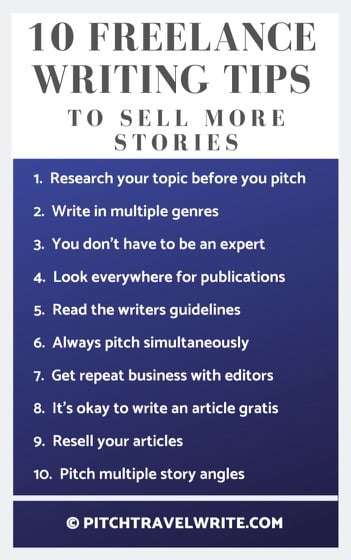
Looking to break into the world of freelance article writing? This article explores the exciting opportunities and challenges that come with being a freelance writer. Whether you’re a seasoned professional looking for a change or someone with a passion for writing who wants to turn it into a career, we’ll cover everything you need to know about freelance article writing. From finding clients and setting your rates to honing your writing skills and meeting deadlines, this article serves as your go-to guide for navigating the freelance writing landscape. Get ready to unleash your creativity and unlock the potential of a rewarding freelance writing career.
Overview
Definition of freelance article writing
Freelance article writing refers to the practice of writing articles on a project basis for various clients, without being permanently employed by any particular organization. As a freelance article writer, you have the freedom to choose the topics you want to write about, the clients you want to work with, and the flexibility to manage your own schedule.
Benefits of freelance article writing
There are numerous benefits to pursuing a career in freelance article writing. Firstly, it offers a great deal of flexibility and independence. You have the ability to choose your own projects and work from anywhere in the world, as long as you have a reliable internet connection. Additionally, freelance article writing allows you to hone your skills in a variety of topics and industries, making you a versatile writer. Finally, freelancing gives you the opportunity to earn a potentially higher income compared to traditional employment, especially as you gain experience and build a solid reputation.
Challenges of freelance article writing
While freelance article writing can be rewarding, it also comes with its fair share of challenges. One of the main challenges is the inconsistent income flow, as there may be times when you have plenty of work and other times when you have none. This requires careful financial planning and budgeting to ensure stability. Another challenge is the constant need to find new clients and negotiate rates, which can be time-consuming and competitive. Additionally, freelancers often face tight deadlines and need to efficiently manage their time to meet client expectations. Finally, freelancers must stay motivated and disciplined, as they are their own boss and need to keep themselves accountable.
Getting Started
Developing writing skills
To become a successful freelance article writer, it is crucial to continuously develop and improve your writing skills. This can be done through various means such as reading extensively, taking writing courses or workshops, and practicing writing regularly. You can also join writing communities or workshops where you can receive constructive feedback and learn from experienced writers. By dedicating time and effort to honing your craft, you will be able to produce high-quality articles that will attract clients.
Building a portfolio
Having a strong portfolio is essential in showcasing your abilities and attracting potential clients. Start by writing articles on topics that interest you or that align with your niche, even if they are not paid opportunities. This will allow you to build up a body of work that you can showcase to clients. Create a professional website or online portfolio where you can display your articles, provide a brief bio, and list your contact information. Don’t forget to include links to your published work as well. The more impressive and diverse your portfolio is, the more likely you are to attract clients.
Finding clients
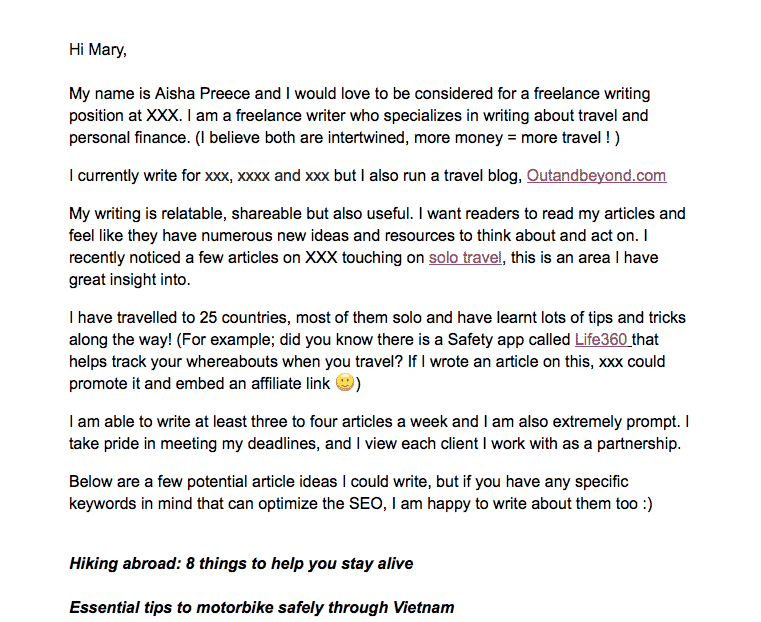
Finding clients is a crucial step in establishing yourself as a freelance article writer. Begin by reaching out to your existing network, such as family, friends, or colleagues, to see if they know of anyone in need of writing services. Additionally, join online platforms and job boards specifically designed for freelancers, such as Upwork or Freelancer, where clients actively seek writers. Craft a compelling profile that highlights your expertise and skills, and submit proposals or bids for relevant projects. Another effective approach is to directly contact companies or publications in your niche and inquire if they have any freelance writing opportunities available. By actively seeking out clients and marketing yourself, you are more likely to secure consistent work.
Choosing a Niche
Identifying your expertise
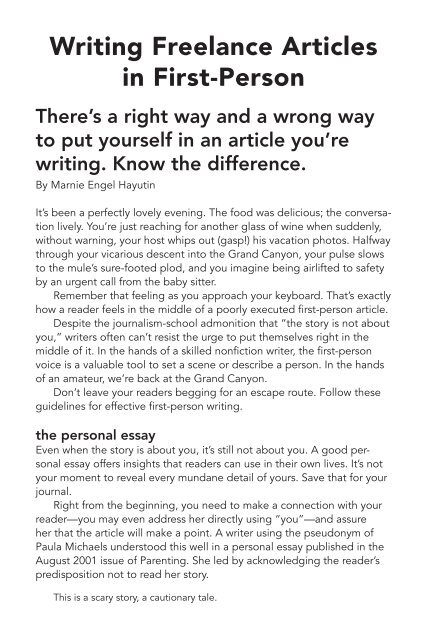
Choosing a niche is an important step in freelance article writing as it allows you to establish yourself as an expert in a particular field. Take time to assess your interests, skills, and knowledge to determine what areas you excel in. Are you passionate about technology, health, or travel? Once you have identified your strengths, you can focus on developing your expertise in that niche, making you a sought-after writer in that industry. By becoming an expert, you can command higher rates, attract clients who value your knowledge, and produce higher quality articles.
Researching market demand
While it is crucial to choose a niche based on your expertise and passion, it is equally important to research the market demand for that particular niche. Conduct thorough market research to determine if there is a demand for articles in your chosen niche. Look for publications, websites, and companies that regularly publish content related to your niche. If there is a high demand, it indicates that there is a potential market for your freelance article writing services. However, if the demand is low, consider narrowing down your niche or exploring related topics that have a higher demand.
Selecting a niche
After assessing your expertise and researching market demand, it’s time to select a niche for your freelance article writing business. Choose a niche that aligns with your interests and expertise, while also having a healthy market demand. Remember that selecting a niche does not limit you to only writing within that area. You can still explore related topics or sub-niches to keep your work diverse. By selecting a niche, you position yourself as an authority in that field and increase your chances of securing clients who value your expertise.
Setting Rates and Negotiating Fees
Factors to consider when setting rates
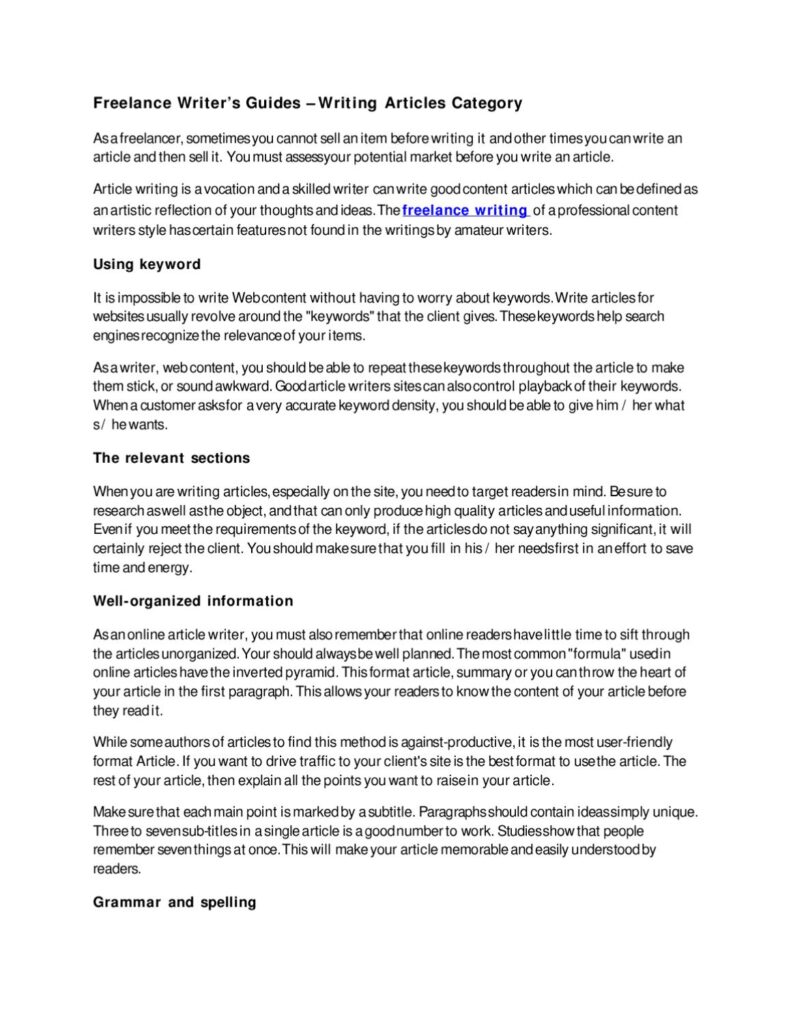
Setting rates as a freelance article writer can be a daunting task, but it’s important to value your skills and time appropriately. Consider factors such as your experience, expertise, niche, market demand, and the complexity of the project when determining your rates. Research industry standards and the rates charged by other freelance article writers in your niche to get a sense of the market average. Additionally, factor in your desired income and the value you bring to clients. It’s crucial to strike a balance between competitive pricing and fair compensation for your work.
Determining project fees
When it comes to determining project fees, it’s essential to consider the specific requirements and scope of each project. Assess the length of the article, the amount of research needed, any additional tasks such as interviewing experts or conducting surveys, and the level of expertise required. All these factors impact the time and effort required to complete the project. Based on your expertise and market research, estimate the number of hours it will take you to complete the project and calculate your fee accordingly. It’s also helpful to offer different pricing options, such as per word or per project, to accommodate different client preferences.
Negotiating with clients
Negotiating with clients is an important skill that you will develop as a freelance article writer. Be prepared to discuss your rates confidently and professionally. Highlight the value you bring to the table, such as your expertise, experience, and quality of work. However, be open to compromise and consider flexibility in your rates, depending on the client’s budget and the potential for long-term or recurring work. It’s important to find a balance that keeps both you and the client satisfied.
Managing Time and Deadlines
Creating a schedule
As a freelance article writer, time management is vital to meet deadlines and maintain a work-life balance. Start by creating a schedule that outlines your working hours, breaks, and personal time. Determine your most productive hours and allocate them to tasks that require high concentration, such as writing or research. Use productivity tools or apps to track your time and ensure that you stick to your schedule. Remember to include time for breaks and relaxation to avoid burnout.
Prioritizing tasks
With multiple projects on your plate, it’s crucial to prioritize tasks effectively to ensure that you meet deadlines and maintain high-quality work. Start by identifying the most urgent and important tasks and focus on completing those first. Break larger projects down into smaller, manageable tasks and allocate time specifically for each task. Consider using project management tools or apps to help you organize and track your progress. By prioritizing tasks, you will stay organized and on top of your workload.
Meeting deadlines
Meeting deadlines is essential to maintain a good reputation as a freelance article writer. Always communicate openly and honestly with clients about your expected turnaround time. Be realistic about the time it will take you to complete each project and factor in any unexpected delays. Avoid overcommitting yourself to multiple projects with overlapping deadlines. Instead, negotiate reasonable deadlines with clients and manage your workload effectively. If you anticipate any challenges in meeting a deadline, communicate this with the client as early as possible and propose a revised timeline. By consistently meeting deadlines, you will build trust with clients and increase the likelihood of repeat work.
Writing Techniques
Understanding the target audience
To write effective articles, it’s crucial to have a deep understanding of your target audience. Research and analyze the demographics, interests, and needs of the audience you are writing for. Consider their level of knowledge on the topic, their language preferences, and their motivations for reading the article. By understanding your audience, you can tailor your writing style, tone, and content to resonate with them, making your articles more engaging and impactful.
Structuring an article
A well-structured article is key to keeping readers engaged and conveying information effectively. Start by outlining the main points or sections you want to cover in your article. Use subheadings and bullet points to make your content visually appealing and easy to scan. Begin with a compelling introduction that hooks the reader and clearly states the purpose of the article. Organize the body of the article logically, with each paragraph focusing on a single idea or topic. Finally, wrap up the article with a concise and memorable conclusion that summarizes the main points and leaves the reader with a lasting impression.
Crafting captivating headlines
Headlines play a crucial role in grabbing the reader’s attention and enticing them to read the article. A captivating headline should be concise, engaging, and accurately represent the article’s content. Use strong action words, numbers, or intriguing questions to pique curiosity. Consider incorporating keywords relevant to the article’s topic to improve search engine visibility. Experiment with different headline variations and analyze the performance of each to identify which ones resonate best with your audience. Remember that a well-crafted headline can significantly increase the readership of your articles.
Research and Fact-Checking
Finding credible sources
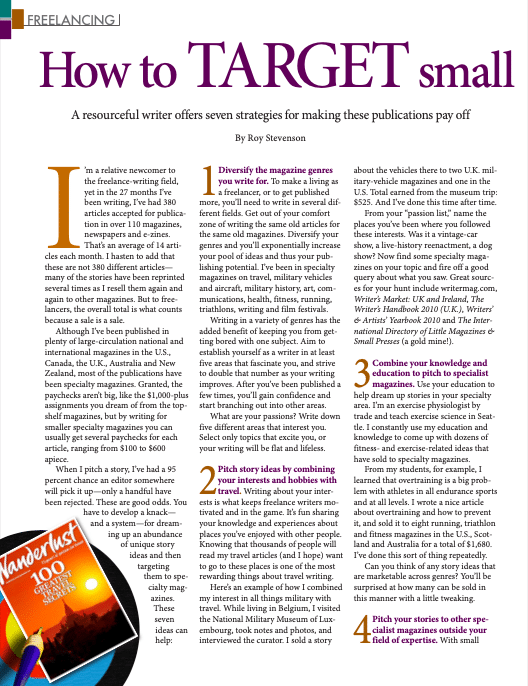
As a freelance article writer, it is essential to use credible and reliable sources for your research. Look for sources that are reputable, authoritative, and relevant to your topic. Academic journals, books, government publications, and well-known publications are good starting points. Pay attention to the dates of the sources to ensure they are up-to-date and reliable. Avoid relying solely on internet searches and instead utilize library resources, interviews with experts, or primary sources whenever possible. By using credible sources, you can produce accurate and well-informed articles that establish your credibility as a writer.
Conducting thorough research
Thorough research is crucial to ensure the accuracy and depth of your articles. Begin by creating a research plan that outlines the specific topics or angles you need to cover. Utilize a combination of primary and secondary sources to gather information. Take detailed notes, distinguishing between direct quotes, paraphrased information, and your own analysis. Be diligent in fact-checking and verifying the accuracy of the information gathered. If necessary, reach out to experts or professionals in the field for clarification or additional insights. By conducting thorough research, you can produce well-rounded and informative articles that provide value to your readers.
Verifying facts
Fact-checking is an integral part of the freelance article writing process to ensure the accuracy and integrity of your work. Go through your article carefully and ensure that all statements, facts, and statistics are supported by credible sources. Cross-reference information from multiple sources to verify accuracy. Pay attention to any discrepancies or conflicting information and resolve them through additional research or reaching out to experts. Fact-checking is especially important when writing about sensitive or controversial topics to avoid misinformation. By verifying facts, you establish trust with your readers and maintain your professional reputation.
Editing and Proofreading
Developing a self-editing process
Editing and proofreading your articles is essential to produce polished and error-free work. Develop a self-editing process that allows you to review your writing critically. Take a break after completing the first draft to gain a fresh perspective before starting the editing process. Begin by reviewing the overall structure and flow of the article. Ensure that paragraphs are coherent, transitions are smooth, and the article is well-organized. Pay attention to grammar, spelling, punctuation, and sentence structure, making necessary corrections. Read aloud to identify awkward phrases or sentences. Finally, review for clarity, consistency, and style to ensure your writing is engaging and cohesive.
Utilizing proofreading techniques
Proofreading is a crucial step in the freelance article writing process to catch any typographical errors or mistakes that may have been missed during editing. Utilize proofreading techniques to review your work with a keen eye. Read slowly and carefully, focusing on each word and sentence. Look for common mistakes such as missing or repeated words, incorrect verb tenses, or punctuation errors. Pay attention to formatting consistency, font styles, and any visual elements in the article. Consider using grammar and spell-checking tools, but be cautious as they may not catch all errors. By utilizing proofreading techniques, you can ensure that your articles are polished and professional.
Seeking external feedback
Seeking external feedback is invaluable in improving the quality of your freelance article writing. Reach out to fellow writers, trusted colleagues, or writing communities to have them review your work. Request specific feedback on areas such as structure, clarity, tone, and grammar. When receiving feedback, keep an open mind and take constructive criticism as an opportunity for growth. Consider joining writer’s groups or workshops where you can participate in peer review sessions and receive feedback from experienced writers. By seeking external feedback, you can gain different perspectives and enhance your writing skills.
Building Client Relationships
Maintaining effective communication
Effective communication is key to building strong and lasting relationships with clients as a freelance article writer. Communicate with your clients regularly and promptly, keeping them updated on the progress of their projects. Clearly outline expectations, deliverables, and deadlines at the outset to avoid any misunderstandings. Be responsive to client inquiries, addressing any questions or concerns promptly. Additionally, actively listen to your clients, making an effort to understand their vision and requirements. By maintaining effective communication, you will foster trust, build rapport, and increase client satisfaction.
Understanding client expectations
Understanding and meeting client expectations is crucial to providing a service that exceeds their needs. From the onset, have a detailed discussion with your clients to clarify their expectations, desired outcomes, and any specific guidelines or preferences they may have. Take notes and refer back to them throughout the project to ensure you are meeting the client’s vision. Be receptive to client feedback throughout the process and make any necessary revisions or adjustments to align with their expectations. By understanding and meeting client expectations, you will cultivate positive relationships and increase the likelihood of repeat business.
Providing exceptional customer service
Exceptional customer service is the cornerstone of a successful freelance article writing business. Going above and beyond to exceed client expectations can set you apart from other writers. Provide prompt responses to client inquiries, demonstrating professionalism and attentiveness. Be proactive in anticipating and addressing any concerns before they become issues. Deliver high-quality work that not only meets but exceeds the client’s expectations. Meet deadlines consistently and communicate openly if any challenges arise. Finally, follow up with clients after project completion to ensure their satisfaction and seek feedback for improvement. By providing exceptional customer service, you will build a stellar reputation and foster long-term client relationships.
Expanding Your Freelance Writing Business
Marketing and self-promotion
One of the key ways to expand your freelance article writing business is through effective marketing and self-promotion. Create a professional website or blog where you can showcase your portfolio, provide information about your services, and share valuable content related to your niche. Utilize social media platforms to network, engage with potential clients, and share your work. Guest blog on reputable websites or publications to increase your visibility and reach a larger audience. Consider running targeted online advertising campaigns to attract clients in your niche. By strategically marketing and promoting yourself, you can expand your client base and attract higher-paying opportunities.
Networking with other freelancers
Networking with other freelancers is a valuable way to expand your freelance article writing business. Build relationships with fellow freelancers in your niche through online communities, forums, or social media groups. Engage in conversations, share insights, and offer support. Collaborate with other freelancers on joint projects or refer clients to each other when appropriate. Attend industry conferences or events where you can meet other professionals in your field. By networking with other freelancers, you can gain industry insights, exchange ideas, and potentially secure referrals or partnership opportunities.
Diversifying your services
Diversifying your services is a strategic approach to expand your freelance article writing business and increase your income streams. Consider offering additional services such as content strategy, ghostwriting, social media management, or editing. By diversifying, you can cater to a wider range of client needs and tap into new markets. Conduct market research to identify the demand for these services and assess the competition. Leverage your existing client relationships to pitch additional services and cross-sell your expertise. By diversifying your services, you can maximize your earning potential and position yourself as a comprehensive solution for clients’ writing needs.
In conclusion, freelance article writing offers numerous benefits, such as flexibility, career growth, and potentially higher income. However, it comes with its own set of challenges, including inconsistent income, client acquisition, and managing time effectively. By developing your writing skills, building a strong portfolio, and finding clients, you can establish yourself as a freelance article writer. Choosing a niche, setting rates, and managing time are also important factors to consider. Additionally, employing effective writing techniques, conducting thorough research, and providing exceptional customer service are essential for producing high-quality articles and building client relationships. To expand your freelance writing business, focus on marketing and self-promotion, networking with other freelancers, and diversifying your services. With dedication, continuous learning, and an unwavering commitment to professionalism, you can thrive as a freelance article writer and achieve success in this rewarding field.