In recent years, online gaming has transformed from a niche hobby into a global phenomenon, captivating millions of players and spectators alike. You may have noticed how the advent of high-speed internet and advanced gaming technology has made it easier than ever to connect with others around the world. This connectivity has not only enhanced the gaming experience but has also paved the way for competitive gaming, commonly known as esports.
As you dive into this vibrant world, you’ll find that it encompasses a wide range of genres, from first-person shooters to multiplayer online battle arenas, each attracting dedicated communities and professional players. The rise of esports has been nothing short of meteoric. Major tournaments now fill stadiums, drawing in crowds that rival traditional sports events.
You might be surprised to learn that some of these competitions offer prize pools in the millions, making them highly lucrative for participants. The accessibility of streaming platforms like Twitch and YouTube has further fueled this growth, allowing fans to watch their favorite players and teams compete in real-time. As you explore this landscape, you’ll discover that online gaming is not just about playing; it’s about community, competition, and the thrill of watching skilled players battle it out for glory.
Key Takeaways
- Online gaming and esports have seen a significant rise in popularity in recent years, with a growing audience and increasing investment from both players and sponsors.
- The evolution of online gaming as a competitive sport has led to the professionalization of gaming, with players now able to turn their passion into a lucrative career.
- Turning gaming into a career requires dedication, skill, and a strategic approach, including building a personal brand, networking, and seeking out opportunities for sponsorships and partnerships.
- The business of esports has become a lucrative industry, with sponsorships, advertising, and merchandising playing a key role in the financial success of players and teams.
- The top earning esports players and teams have achieved significant financial success through prize winnings, sponsorships, and endorsements, showcasing the potential for professional gamers to earn substantial income.
- Streaming and content creation have become integral to the gaming industry, providing additional revenue streams for players and teams, as well as creating opportunities for engagement with fans.
- The future of online gaming and esports is promising, with continued growth expected in terms of audience, investment, and opportunities for professional gamers.
- Aspiring professional gamers can benefit from tips such as honing their skills, building a personal brand, networking, and staying updated on industry trends to increase their chances of success in the competitive gaming industry.
The Evolution of Online Gaming as a Competitive Sport
The Pioneers of Competitive Gaming
Games like “StarCraft” and “Counter-Strike” laid the groundwork for competitive gaming, establishing a framework for tournaments and professional play that continues to thrive today. This evolution has led to the establishment of professional leagues and organizations, which operate similarly to traditional sports leagues, complete with team rosters, sponsorship deals, and fan engagement strategies.
Mainstream Recognition and Legitimization
As esports continues to grow, it has garnered recognition from mainstream media and even academic institutions. Some universities now offer scholarships for aspiring gamers, legitimizing the sport and opening doors for many players who once viewed gaming as merely a hobby. This recognition has allowed them to pursue their passion on a professional level.
A New Era for Gamers
The rise of competitive online gaming has created new opportunities for gamers to turn their passion into a career. With professional leagues, organizations, and mainstream recognition, the sport continues to thrive, providing a platform for gamers to compete, innovate, and entertain.
How to Turn Gaming into a Career

If you’ve ever dreamed of turning your passion for gaming into a career, you’re not alone. Many individuals have successfully transitioned from casual gamers to professional players or content creators. The first step in this journey is honing your skills in your chosen game.
You’ll need to dedicate time to practice and improve your gameplay, often spending hours analyzing strategies and learning from others. As you immerse yourself in the gaming community, you’ll find that networking is equally important; connecting with other players can lead to opportunities for collaboration and growth. In addition to improving your gameplay, consider diversifying your skill set.
Many successful gamers have expanded their careers by becoming streamers or content creators on platforms like Twitch or YouTube. You might find it rewarding to share your gaming experiences with an audience, whether through live streams or recorded videos. Building a personal brand can help you attract followers and potential sponsors, turning your passion into a sustainable career.
Remember that persistence is key; the path to becoming a professional gamer is often filled with challenges, but with dedication and hard work, you can achieve your goals.
The Business of Esports: Sponsorships, Advertising, and Merchandising
As you explore the business side of esports, you’ll quickly realize that it operates much like any other industry, complete with sponsorships, advertising opportunities, and merchandising strategies. Major brands have recognized the potential of reaching younger audiences through esports sponsorships, leading to lucrative partnerships with teams and events. You may be surprised to learn that companies ranging from tech giants to beverage brands are investing heavily in esports marketing campaigns, recognizing the immense reach and engagement that comes with this growing audience.
Advertising within esports is also evolving rapidly. As you watch tournaments or streams, you’ll likely notice targeted ads tailored to gamers’ interests. This shift towards personalized advertising not only enhances the viewer experience but also provides brands with valuable insights into consumer behavior.
Additionally, merchandising has become a significant revenue stream for esports organizations. From team jerseys to branded gaming peripherals, fans are eager to support their favorite teams by purchasing merchandise. As you navigate this dynamic landscape, you’ll see how the business of esports continues to expand, creating new opportunities for players and organizations alike.
The Top Earning Esports Players and Teams
When discussing the financial aspect of esports, it’s impossible not to mention the top-earning players and teams that have made headlines for their impressive winnings. You may be amazed to discover that some professional gamers earn millions of dollars annually through tournament prizes alone. Players like Johan “N0tail” Sundstein and Tyler “Ninja” Blevins have become household names not just for their skills but also for their ability to monetize their gaming careers effectively.
Teams also play a crucial role in this financial ecosystem. Organizations like Team Liquid and Fnatic have built strong brands around their rosters, attracting sponsorships and partnerships that contribute significantly to their revenue streams. As you follow these players and teams, you’ll notice how they leverage their success in competitions to create additional income through streaming, merchandise sales, and social media engagement.
The financial landscape of esports is continually evolving, offering aspiring gamers a glimpse into what’s possible when talent meets opportunity.
The Role of Streaming and Content Creation in the Gaming Industry
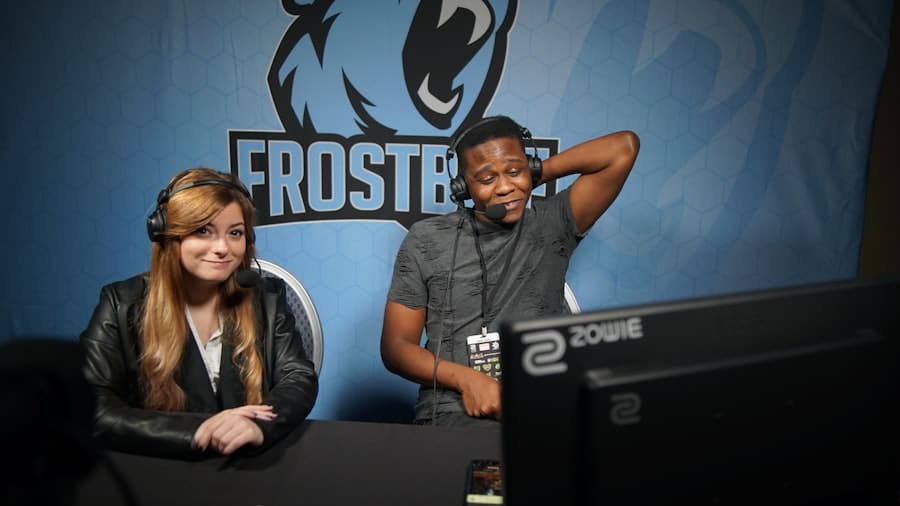
Streaming and content creation have become integral components of the gaming industry, shaping how players interact with their audiences and build their brands. If you’ve ever tuned into a live stream on platforms like Twitch or YouTube Gaming, you know how engaging it can be to watch skilled players showcase their talents while interacting with fans in real-time. This direct connection fosters a sense of community that traditional media often lacks, allowing viewers to feel more involved in the gaming experience.
As you consider entering this space as a content creator or streamer, remember that authenticity is key. Audiences are drawn to personalities they can relate to; sharing your unique perspective on games can help you stand out in a crowded market. Additionally, consistency is crucial; regular streaming schedules and engaging content can help you build a loyal following over time.
As you navigate this exciting landscape, keep in mind that success in streaming often requires patience and perseverance, but the rewards can be substantial for those who are willing to put in the effort.
The Future of Online Gaming and Esports
Looking ahead, the future of online gaming and esports appears bright and full of potential. With advancements in technology such as virtual reality (VR) and augmented reality (AR), you can expect new gaming experiences that blur the lines between reality and the digital world. These innovations will likely create fresh opportunities for competitive play and spectator engagement, further expanding the reach of esports.
Moreover, as more mainstream media outlets begin to cover esports events, you may find that competitive gaming gains even greater legitimacy as a form of entertainment. This increased visibility could lead to more investment from traditional sports organizations and sponsors looking to tap into this burgeoning market. As you keep an eye on these developments, consider how they might impact your own journey within the gaming world—whether as a player, content creator, or fan.
Tips for Aspiring Professional Gamers
If you’re considering pursuing a career in professional gaming or esports, there are several tips that can help guide your journey. First and foremost, focus on mastering your chosen game; understanding its mechanics and strategies is essential for success at higher levels of play. You might also want to analyze replays of your matches or watch professional players to learn from their techniques.
Networking is another crucial aspect of breaking into the industry. Engage with other gamers through social media platforms or local gaming events; building relationships can open doors to opportunities you may not have considered before. Additionally, don’t underestimate the power of social media; sharing your gameplay highlights or insights can help establish your presence within the community.
Lastly, maintain a healthy balance between gaming and other aspects of your life. While dedication is important, taking breaks and engaging in other activities can prevent burnout and keep your passion alive. As you embark on this exciting journey into the world of online gaming and esports, remember that persistence and adaptability will be your greatest allies in achieving your goals.
If you are interested in turning your passion for gaming into a source of income, you may want to check out this article on how to make money online on GTA 5. This article provides tips and strategies for earning money through online gaming, which can be a great way to supplement your income or even turn it into a full-time career. Additionally, if you are looking for other passive income ideas to make money from home, you may want to explore this article on passive income ideas for making money at home. And if you are interested in making money online through more unconventional methods, you may want to read this article on how to make money online by watching videos.
FAQs
What is online gaming?
Online gaming refers to playing video games over the internet, either on a computer, console, or mobile device. Players can compete against each other or team up to complete objectives in various virtual worlds.
What are esports?
Esports, short for electronic sports, refers to organized video game competitions, particularly between professional players or teams. These competitions can range from small local events to large international tournaments with substantial prize pools.
How do players make money from online gaming and esports?
Players can make money from online gaming and esports through various avenues, including winning prize money from tournaments, securing sponsorships and endorsements, streaming their gameplay on platforms like Twitch or YouTube, and creating and selling in-game content.
What are some popular online games and esports titles?
Some popular online games and esports titles include League of Legends, Dota 2, Counter-Strike: Global Offensive, Fortnite, Overwatch, and Call of Duty. These games have large player bases and attract significant viewership for esports events.
What skills are needed to succeed in online gaming and esports?
Success in online gaming and esports requires a combination of skills, including hand-eye coordination, strategic thinking, teamwork, communication, adaptability, and the ability to perform under pressure. Additionally, players often need to have a deep understanding of game mechanics and strategies.
What is the future outlook for online gaming and esports?
The future of online gaming and esports looks promising, with continued growth in both player participation and audience engagement. The industry is expected to further professionalize, with more opportunities for players to earn a living from gaming and for investors to capitalize on the industry’s potential.