Are you searching for the key to financial success? Look no further than the realm of e-commerce and dropshipping. In this article, we will explore the promising path towards achieving financial freedom by diving into the world of online business. If you have ever dreamt of making money from the comfort of your own home, this is the ultimate guide for you. From understanding the basics of e-commerce to unleashing the untapped potential of dropshipping, we will provide you with invaluable insights and tips to navigate this lucrative industry. So, fasten your seatbelts and get ready for an exciting journey towards financial success through e-commerce and dropshipping.

Understanding E-commerce and Dropshipping
What is e-commerce?
E-commerce, short for electronic commerce, refers to the buying and selling of goods and services online. It involves the use of electronic platforms such as websites and mobile applications to conduct business transactions. With the rise of the internet and technological advancements, e-commerce has become increasingly popular and convenient for both businesses and consumers.
What is dropshipping?
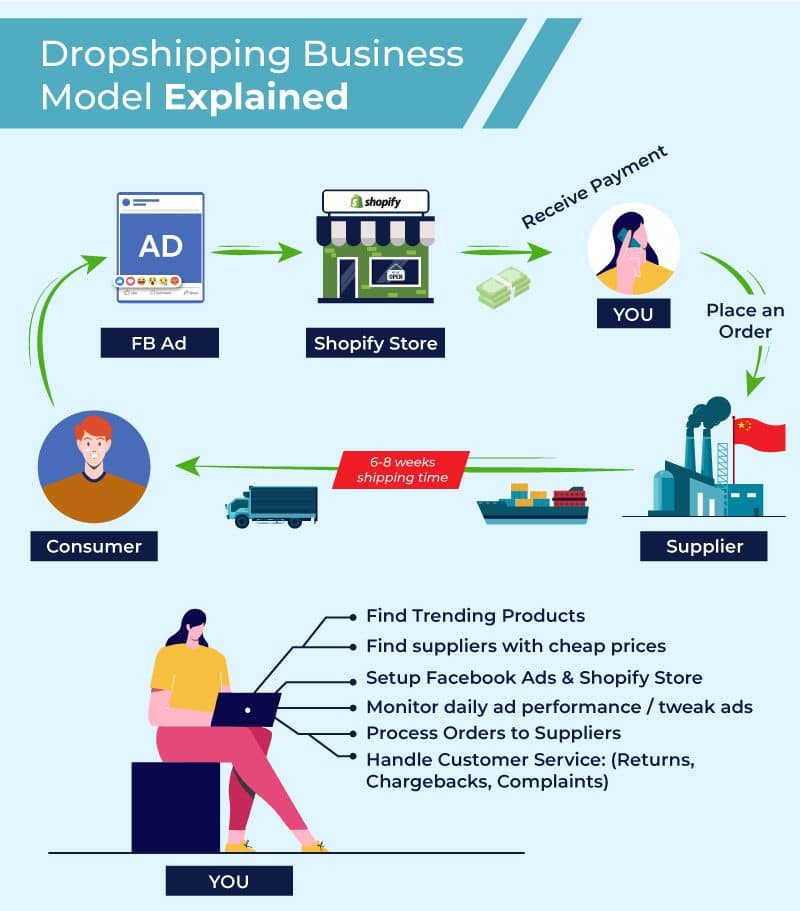
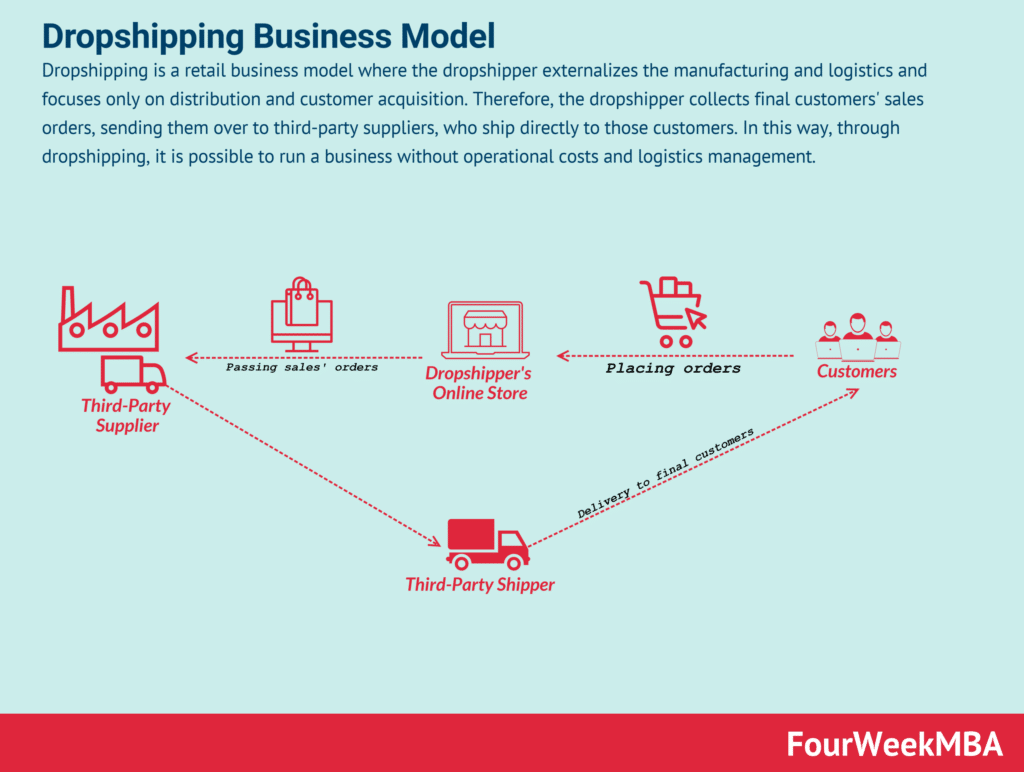
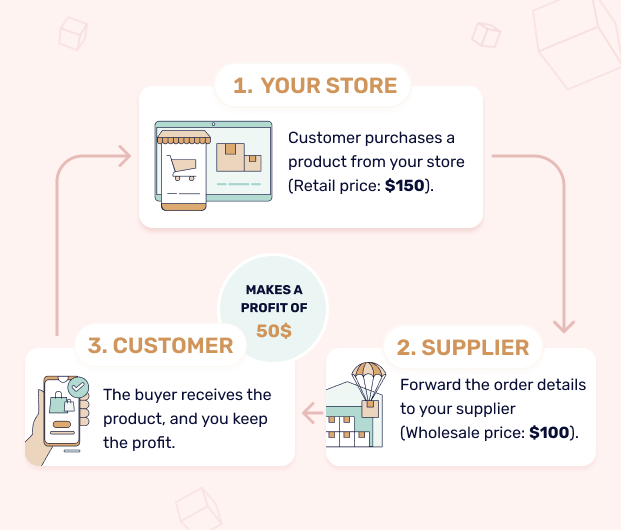
Dropshipping is a business model within the realm of e-commerce. It involves selling products without having to keep them in stock. Instead, when a customer places an order, the retailer purchases the goods from a third-party supplier who then ships the products directly to the customer. This eliminates the need for inventory management and allows entrepreneurs to focus on marketing and customer acquisition.
Benefits of e-commerce and dropshipping
E-commerce and dropshipping offer numerous advantages for aspiring entrepreneurs. Firstly, the barrier to entry is relatively low compared to traditional retail businesses. With minimal upfront investment required, anyone with an internet connection can start their own online store. Additionally, e-commerce allows for a global reach, enabling businesses to target customers from all over the world. Dropshipping further simplifies the process by removing the need for warehousing and fulfillment. This model also provides the flexibility to test out different products without the risk of holding inventory. Finally, e-commerce and dropshipping provide the opportunity for passive income and scalability, allowing entrepreneurs to potentially earn money even while they sleep.
Choosing the right e-commerce platform
When starting your e-commerce business, it is crucial to choose the right platform that caters to your specific needs. There are various e-commerce platforms available, such as Shopify, WooCommerce, and BigCommerce, each with its own set of features and pricing plans. Consider factors such as ease of use, customization options, payment gateways, integration with other tools, and customer support. Research and compare different platforms thoroughly to ensure you make an informed decision that aligns with your business goals and requirements.
Setting Up Your E-commerce Business
Identifying your target market
Before diving into the world of e-commerce, it is essential to identify your target market. Understand who your ideal customers are, their demographics, interests, and purchasing behavior. Conduct market research to identify gaps in the market or underserved niches that you can cater to. By pinpointing your target audience, you can tailor your marketing efforts and product selection to meet their specific needs, increasing your chances of success.
Selecting profitable products to sell
Choosing the right products to sell is crucial for the success of your e-commerce business. Conduct thorough market research to identify trending products, analyze their demand, and evaluate their profitability. Consider factors such as product cost, competition, market saturation, and potential profit margins. It is also essential to select products that align with your brand and target market. Look for unique and innovative products that differentiate you from your competitors and are more likely to attract customers.
Creating a brand and online store
Building a strong brand is essential in the e-commerce world. To establish your presence and gain customer trust, invest in creating a compelling brand identity, including a captivating logo, color scheme, and brand messaging. This consistency will help customers recognize and remember your brand. When setting up your online store, ensure it is visually appealing, user-friendly, and optimized for mobile devices. Design an intuitive navigation structure, display high-quality product images, and provide clear and concise product descriptions. A well-designed online store will enhance the overall customer experience and increase the likelihood of conversions.
Optimizing your website for conversions
One of the keys to success in e-commerce is optimizing your website for conversions. Conversion rate optimization (CRO) involves making strategic changes to your website and marketing campaigns to increase the percentage of visitors who take the desired action, such as making a purchase. Implement tactics such as clear call-to-action buttons, streamlined checkout processes, trust signals (such as testimonials and security badges), and personalized product recommendations. Regularly analyze and test different elements of your website to identify potential areas for improvement and boost conversion rates.
Implementing secure payment options
Security is paramount in the e-commerce industry. To ensure customer trust and protect sensitive information, it is crucial to implement secure payment options. Offer a variety of payment methods, including credit/debit cards, digital wallets, and even cryptocurrency if applicable. Partner with reputable payment service providers that offer robust security measures and fraud prevention tools. Display security badges and clearly communicate your commitment to data privacy and protection. By offering secure payment options, you create a trustworthy environment for customers, reducing cart abandonment and boosting sales.
Sourcing Products for Dropshipping
Researching and identifying reliable suppliers
When it comes to dropshipping, choosing reliable suppliers is of utmost importance. Research and identify suppliers that offer quality products, fast shipping times, competitive pricing, and excellent customer service. Look for suppliers with a track record of reliability, positive reviews, and transparent communication. Utilize online directories, marketplaces, and supplier databases to find potential partners. Contact multiple suppliers and ask relevant questions about their processes, policies, and product quality. Thoroughly vetting your suppliers and establishing strong relationships will minimize potential issues and ensure a smooth dropshipping experience.
Evaluating product quality and pricing
As a dropshipper, you won’t have direct control over product quality and pricing. However, it is still crucial to evaluate the quality of the products you plan to sell. Order samples from your chosen suppliers to assess their quality firsthand. Consider factors such as durability, craftsmanship, packaging, and any potential defects. Additionally, ensure that the pricing offered by your supplier allows for a reasonable profit margin after factoring in your marketing and operational costs. Finding the right balance between quality, pricing, and profit is essential for long-term success.
Negotiating dropshipping agreements
Before finalizing agreements with your suppliers, it is essential to negotiate terms that work best for both parties. Discuss aspects such as pricing, order fulfillment, return policies, shipping methods, and any exclusivity arrangements. Seek mutually beneficial terms that allow you to offer competitive pricing and excellent customer service while ensuring profitability. It is also crucial to have clear communication channels established and documented agreements in place to prevent any misunderstandings or disputes in the future.
Importance of product packaging and branding
Although the physical handling and shipping of products are handled by your suppliers, the importance of product packaging and branding should not be underestimated. Collaborate with your suppliers to ensure that products are packaged securely and professionally. This includes using appropriate shipping materials, labeling, and protective measures. Additionally, work on incorporating your branding elements into the packaging, such as inserting a personalized note or including promotional materials. This attention to detail enhances the customer’s unboxing experience and reinforces your brand identity.
Marketing and Advertising Strategies
Developing a comprehensive marketing plan
Marketing is a crucial component of any e-commerce business. Develop a comprehensive marketing plan that outlines your strategies and tactics for reaching your target audience and promoting your products. Consider both online and offline marketing channels, including social media marketing, search engine marketing, influencer partnerships, content marketing, and email marketing. Set clear goals and objectives, establish a budget, and allocate resources effectively. Regularly review and analyze the effectiveness of your marketing efforts, making adjustments as necessary to maximize your return on investment.
Utilizing social media platforms for promotion
Social media platforms provide a powerful tool for e-commerce businesses to connect with their target audience and promote their products. Identify the platforms that are most popular among your target market and establish a presence on them. Develop a content strategy that aligns with your brand and engages your followers. Regularly share high-quality and visually appealing content, including product photos, videos, customer testimonials, and industry-related articles. Utilize social media advertising features to further amplify your reach and target specific demographics. Engage with your audience through comments, direct messages, and social media contests to foster a sense of community and loyalty.
Implementing search engine optimization (SEO) techniques
Search engine optimization (SEO) is a crucial tactic for driving organic traffic to your e-commerce website. Optimize your website’s content, meta tags, and URLs with relevant keywords that your target audience is likely to search for. Develop a content strategy that includes blog posts, guides, and product descriptions that not only provide value to your audience but also help boost your search engine rankings. Consider link building strategies to increase the authority and visibility of your website. Regularly monitor and analyze your website’s SEO performance using tools such as Google Analytics and make adjustments accordingly to improve your search engine rankings.
Creating compelling product descriptions and visuals
In the e-commerce world, customers heavily rely on product descriptions and visuals to make purchasing decisions. Invest in creating compelling and informative product descriptions that highlight the features, benefits, and unique selling points of each product. Use persuasive language that appeals to your target audience and addresses their pain points. Additionally, ensure that your product visuals, including high-quality images and videos, accurately represent the product and showcase its details from multiple angles. By providing engaging and accurate product information, you enhance the customer’s shopping experience and increase the likelihood of conversions.
Incorporating email marketing campaigns
Email marketing is a powerful tool for building relationships with your customers and driving repeat business. Collect email addresses from your website visitors and existing customers through opt-in forms and offer incentives such as exclusive discounts or freebies. Develop a segmented email list to target specific customer groups based on their purchase history, preferences, or engagement level. Create personalized and engaging email campaigns that include product recommendations, special promotions, and informative content. Regularly analyze the performance of your email campaigns, including open rates and click-through rates, and make adjustments to optimize your results.
Building and Growing Your Customer Base
Providing exceptional customer service
Exceptional customer service is the backbone of any successful e-commerce business. Aim to provide a seamless and personalized customer experience from start to finish. Promptly respond to customer inquiries, whether through email, social media, or live chat. Offer multiple channels for customer support and ensure that they are easily accessible to your customers. Train your customer service team to be knowledgeable, empathetic, and proactive in resolving any issues that may arise. By providing exceptional customer service, you not only increase customer satisfaction and loyalty but also generate positive word-of-mouth referrals.
Utilizing customer reviews and testimonials
Customer reviews and testimonials are powerful tools for building trust and credibility. Encourage your customers to leave reviews and testimonials by offering incentives or discounts for their participation. Collect and display these reviews prominently on your website and product pages. Additionally, leverage the power of social proof by showcasing positive reviews on your social media platforms. Respond to both positive and negative reviews in a timely and professional manner, showing that you value customer feedback and are committed to resolving any issues. Utilize review management tools to monitor and manage your online reputation effectively.
Implementing referral and loyalty programs
Referral and loyalty programs are effective strategies for incentivizing customer loyalty and acquiring new customers through word-of-mouth marketing. Develop a referral program that rewards customers for referring their friends and family to your online store. Offer discounts, store credits, or exclusive perks for successful referrals. Similarly, implement a loyalty program that rewards customers for repeat purchases or reaching specific milestones. Provide incentives such as exclusive discounts, early access to new products, or members-only events. By implementing referral and loyalty programs, you not only increase customer retention but also leverage your existing customer base to drive new customer acquisition.
Expanding your reach through influencer marketing
Influencer marketing has become increasingly popular in the world of e-commerce. Collaborating with influencers who have a large and engaged following in your target market can help increase brand visibility and drive sales. Research and identify influencers who align with your brand values and have an audience that matches your target market. Reach out to them and propose collaboration opportunities, such as sponsored posts, giveaways, or product reviews. Monitor the performance of your influencer campaigns and track metrics such as reach, engagement, and conversions to determine their effectiveness. Building relationships with influencers can lead to long-term partnerships and continuous brand exposure.
Managing Inventory and Order Fulfillment
Tracking inventory levels and stock availability
Even though dropshipping eliminates the need to manage physical inventory, it is crucial to track inventory levels and stock availability. Regularly communicate with your suppliers to ensure that they have sufficient stock and are not facing any delays or issues. Implement inventory management software or tools to track your product inventory and automatically update stock availability on your website. Set up alerts or notifications to ensure timely reordering when stock levels are low. By staying on top of your inventory, you can avoid overselling, prevent stockouts, and maintain a smooth order fulfillment process.
Automating order processing and fulfillment
Automating order processing and fulfillment is essential for streamlining your e-commerce operations. Integrate your online store with your chosen e-commerce platform and enable automatic order notifications to both you and your suppliers. This ensures that orders are promptly processed, and suppliers are alerted to fulfill them. Consider implementing order management software that centralizes order data, automates shipping label generation, and provides real-time order tracking for both you and your customers. By automating these processes, you save time, reduce the risk of errors, and enhance the overall customer experience.
Managing product returns and customer refunds
Dealing with product returns and customer refunds is an inevitable part of running an e-commerce business. Establish clear policies and procedures for returns, exchanges, and refunds, and communicate them to your customers at the point of purchase. Make the process as seamless as possible for customers, providing clear instructions and return labels if necessary. Regularly communicate with your suppliers on how to handle returned products and refunds. Monitor and analyze return and refund data to identify any underlying issues with product quality, sizing, or customer expectations. By efficiently managing returns and refunds, you demonstrate your commitment to customer satisfaction and build trust with your audience.

Understanding Financial Management in E-commerce
Setting up a business bank account
Setting up a separate business bank account is crucial for managing your e-commerce finances effectively. This allows you to separate your personal and business finances, track your income and expenses accurately, and simplify your tax reporting. Research different business bank account options and choose one that offers features and services that suit the needs of your e-commerce business. Ensure that your chosen bank account integrates with your accounting software to streamline your financial management tasks.
Managing cash flow and profitability
Cash flow management is essential for the financial health of your e-commerce business. Monitor your cash flow by tracking your inflows and outflows, including revenue from sales, expenses, and supplier payments. Create a cash flow forecast to estimate your future financial position and identify any cash flow gaps or surpluses. Implement strategies to improve your cash flow, such as optimizing your pricing structure, negotiating better payment terms with suppliers, or offering advanced payment options for customers. Regularly analyze your profitability and adjust your pricing, expenses, and business strategies accordingly to ensure sustainable growth.
Implementing effective pricing strategies
Setting the right price for your products is crucial for profitability and competitiveness. Consider factors such as product cost, market demand, competition, and perceived value when determining your pricing strategy. Analyze your costs, including product costs, marketing expenses, and overhead costs, to ensure that your pricing allows for a reasonable profit margin. Conduct competitor research to understand the pricing landscape and position your products accordingly. Regularly monitor market trends and adjust your prices as necessary to stay competitive while maintaining profitability.
Monitoring expenses and reducing costs
Effectively managing your expenses is essential for maximizing your profitability in the e-commerce industry. Regularly track and analyze your expenses, categorize them, and evaluate their impact on your bottom line. Look for areas where you can reduce costs, such as optimizing your marketing budget, renegotiating supplier contracts, or finding more cost-effective shipping solutions. Consider implementing inventory management software to reduce the risk of overstocking or ordering unnecessary products. By closely monitoring and controlling your expenses, you can improve your financial efficiency and increase your overall profitability.
Implementing Data Analytics and Tracking
Utilizing Google Analytics for website performance
Google Analytics is a powerful tool for tracking and analyzing your website’s performance. By implementing Google Analytics on your e-commerce website, you can gain valuable insights into your website visitors, their behavior, and their interactions with your site. Monitor metrics such as traffic sources, page views, bounce rates, and conversion rates to identify areas for improvement. Set up goals and track e-commerce data to measure your revenue and conversion performance accurately. Utilize these insights to optimize your website, marketing campaigns, and overall customer experience.
Measuring conversion rates and customer behavior
Measuring conversion rates and understanding customer behavior is crucial for optimizing your e-commerce business. Track and analyze conversion rates at each stage of the customer journey, from website visits to purchases. Identify any bottlenecks or obstacles that may be preventing customers from converting and make necessary adjustments to improve conversion rates. Utilize heat mapping tools and user behavior analytics to gain deeper insights into how customers interact with your website. This information can help you optimize your website design, navigation, and user experience.
Analyzing sales data for decision-making
Sales data provides valuable insights into the performance of your e-commerce business. Regularly monitor and analyze your sales data to identify trends, patterns, and opportunities. Evaluate product performance, including sales volume, profit margins, and customer feedback. Identify your best-selling products and optimize their promotion and availability. Utilize sales forecasting techniques to plan inventory replenishment and future product launches. By analyzing your sales data, you can make data-driven decisions to drive growth and increase your bottom line.
Implementing A/B testing for optimization
A/B testing is a powerful technique for optimizing your e-commerce website and marketing campaigns. Test different variations of elements such as webpage layout, color schemes, call-to-action buttons, and product descriptions to identify the most effective combination. Utilize A/B testing tools to split your website traffic and monitor the performance of each variation. Measure and compare metrics such as click-through rates, conversion rates, and average order value to determine which variation yields the best results. Continuously test and refine your website and marketing strategies to improve performance and drive higher conversions.
Scaling Your E-commerce Business
Identifying growth opportunities
Once your e-commerce business is established, it is important to identify growth opportunities to take it to the next level. Look for areas where you can expand your product lines, introduce new product categories, or target new customer segments. Analyze market trends and customer feedback to identify emerging opportunities. Consider conducting market research or surveys to gather insights into customer preferences and demands. Stay current with industry news and innovations to identify potential growth areas and adapt your business strategies accordingly.
Expanding product lines and diversifying
Expanding your product lines is a key strategy for scaling your e-commerce business. Identify complementary products that align with your brand and target market. Consider adding variations of existing products, introducing higher-priced items or premium offerings, or diversifying into related niches. Evaluate the profitability and demand potential of each product before adding them to your lineup. Regularly analyze the performance of each product and make adjustments as necessary to optimize your product mix and maximize your sales opportunities.
Entering new markets and targeting international customers
Expanding into new markets and targeting international customers can significantly grow your e-commerce business. Conduct market research to identify potential countries or regions that have high demand for your products. Analyze factors such as shipping costs, import/export regulations, and cultural considerations before entering a new market. Localize your website and marketing materials to cater to the specific needs and preferences of your target international audience. Partner with local fulfillment centers or explore international shipping options to streamline your logistics. By entering new markets, you can tap into fresh customer bases and increase your revenue potential.
Optimizing supply chain and logistics
As your e-commerce business scales, optimizing your supply chain and logistics becomes crucial for efficiency and cost-effectiveness. Regularly assess your current processes and identify areas for optimization. Streamline your order fulfillment processes and seek partnerships with reliable fulfillment centers or third-party logistics providers. Negotiate better shipping rates with carriers or explore alternative shipping methods to reduce costs and improve delivery speed. Utilize inventory management software or tools to ensure accurate stock levels and timely reordering. Regularly review and improve your supply chain and logistics to meet the increasing demands of your growing customer base.
Staying Ahead in the E-commerce Industry
Staying updated with industry trends and technology
The e-commerce industry is constantly evolving, driven by technological advancements and changing consumer behavior. To stay ahead, it is crucial to continuously stay updated with industry trends and emerging technologies. Subscribe to industry publications, follow thought leaders, and participate in relevant forums or online communities. Attend industry conferences and webinars to gain insights from industry experts and network with fellow entrepreneurs. Regularly assess your business strategies and adapt to changes in the industry to remain competitive and provide an exceptional customer experience.
Continuously learning and adapting to changes
In the rapidly changing landscape of e-commerce, continuous learning and adaptability are key to success. Stay curious and invest in your personal and professional growth. Take advantage of online courses, webinars, and workshops to further develop your skills and knowledge. Seek feedback from your customers and adapt your strategies based on their preferences and needs. Be open to experimenting with new marketing channels, technologies, and business models. By embracing a growth mindset and being willing to adapt, you can remain agile in the face of changes and position your business for long-term success.
Building relationships with industry experts
Building relationships with industry experts can provide valuable insights and support for your e-commerce business. Reach out to individuals who have expertise in your niche or the e-commerce industry as a whole. Attend networking events or join online communities to connect with like-minded individuals. Engage in meaningful conversations, ask questions, and offer your own expertise when appropriate. Collaborate with industry experts on joint ventures, cross-promotions, or knowledge sharing to leverage their knowledge and audience. By building relationships with industry experts, you can tap into their experience and potentially gain mentorship or partnership opportunities.
Networking and attending e-commerce conferences
Networking and attending e-commerce conferences are great opportunities to connect with industry professionals, gain insights, and expand your network. Attend industry-specific conferences and trade shows that cater to your niche or the broader e-commerce industry. Take advantage of networking sessions, workshops, and panel discussions to meet fellow entrepreneurs, potential partners, and industry influencers. Be prepared with a concise elevator pitch, business cards, and a genuine interest in learning from others. Actively engage in conversations, ask questions, and seek opportunities for collaboration. Networking and attending e-commerce conferences can open doors to potential partnerships, mentorship, and new business opportunities.
In conclusion, e-commerce and dropshipping provide entrepreneurs with opportunities for financial success and business growth. By understanding the fundamentals of e-commerce, setting up your business effectively, sourcing products for dropshipping, implementing marketing strategies, building a loyal customer base, managing inventory and order fulfillment, understanding financial management, utilizing data analytics, scaling your business, and staying ahead in the industry, you can navigate the e-commerce landscape confidently and achieve your financial goals. Remember to continuously learn, adapt, and leverage the power of technology and industry insights to drive your e-commerce business towards success.