When you venture into the world of online stock trading, it’s crucial to grasp the inherent risks that accompany this financial endeavor. The digital landscape offers a plethora of opportunities, but it also presents a minefield of potential pitfalls. One of the primary risks you face is market volatility.
Stock prices can fluctuate dramatically within short periods, influenced by various factors such as economic indicators, geopolitical events, and even social media trends. This volatility can lead to significant losses if you are not prepared or if you make impulsive decisions based on fleeting market sentiments. Moreover, the ease of access to trading platforms can sometimes lead to overtrading.
You might find yourself making frequent trades in an attempt to capitalize on every market movement, which can quickly erode your capital through transaction fees and poor decision-making. Additionally, the lack of face-to-face interaction with brokers can create a sense of detachment, making it easier for you to overlook critical information or fail to seek advice when needed. Understanding these risks is the first step toward becoming a more informed and strategic trader.
Key Takeaways
- Understanding the risks of trading stocks online is crucial for investors to make informed decisions and manage their expectations.
- Potential rewards of trading stocks online include the opportunity for high returns and the ability to diversify investment portfolios.
- Market volatility can have a significant impact on online stock trading, leading to rapid price fluctuations and increased risk.
- Research and due diligence are essential for successful online stock trading, helping investors make well-informed decisions and mitigate potential risks.
- Emotions play a significant role in online stock trading and can lead to impulsive decisions, highlighting the importance of maintaining a disciplined approach.
- Leveraged trading offers the potential for amplified returns, but also comes with increased risks that investors should carefully consider.
- Regulatory and security risks in online stock trading underscore the importance of choosing reputable and secure trading platforms and staying informed about industry regulations.
- Tips for mitigating risks and maximizing rewards in online stock trading include setting clear investment goals, diversifying portfolios, and staying informed about market trends and developments.
Potential Rewards of Trading Stocks Online
Despite the risks, the potential rewards of online stock trading can be enticing. You have the opportunity to generate substantial returns on your investments, especially if you are willing to invest time in learning and developing your trading strategies. The stock market has historically provided higher returns compared to other investment vehicles, such as bonds or savings accounts.
By carefully selecting stocks and timing your trades, you could see your portfolio grow significantly over time. Additionally, online trading offers you unparalleled flexibility and convenience. You can trade from anywhere with an internet connection, whether you’re at home, in a café, or traveling abroad.
This accessibility allows you to respond quickly to market changes and manage your investments in real-time. Furthermore, many online platforms provide educational resources and tools that can help you enhance your trading skills and make more informed decisions. The combination of potential high returns and the convenience of online trading makes it an attractive option for many investors.
Market Volatility and its Impact on Online Stock Trading
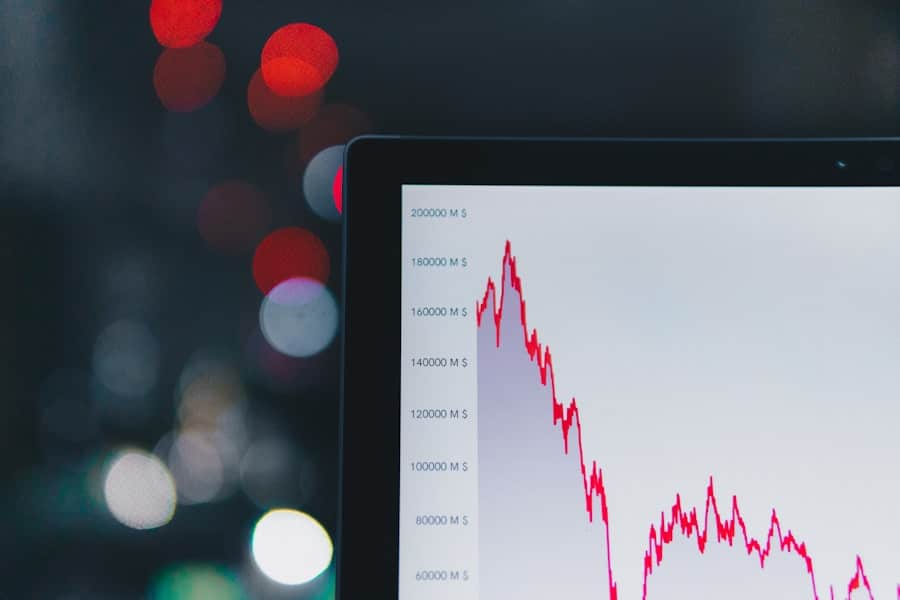
Market volatility is a double-edged sword in the realm of online stock trading. On one hand, it creates opportunities for profit; on the other hand, it can lead to significant losses if not managed properly. As a trader, you must be aware that volatility can be triggered by various factors, including economic reports, earnings announcements, and global events.
These fluctuations can result in rapid price changes that may catch you off guard if you are not vigilant. To navigate this volatility effectively, you need to develop a robust trading strategy that accounts for potential market swings. This might involve setting stop-loss orders to limit your losses or employing options strategies to hedge against adverse movements.
Understanding how to read market signals and trends will empower you to make more informed decisions during turbulent times. By embracing volatility as a natural part of the trading landscape, you can position yourself to capitalize on opportunities while minimizing risks.
Importance of Research and Due Diligence in Online Stock Trading
In the fast-paced world of online stock trading, conducting thorough research and due diligence is paramount. Before making any investment decisions, you should take the time to analyze the companies you are considering. This includes examining their financial health, understanding their business models, and evaluating their competitive positioning within their respective industries.
By gathering this information, you can make more informed choices that align with your investment goals. Moreover, staying updated on market trends and economic indicators is essential for successful trading. You should regularly review financial news, follow industry reports, and utilize analytical tools provided by trading platforms.
This ongoing research will not only enhance your understanding of the market but also help you identify potential risks and opportunities before they become apparent to other traders. In essence, diligent research serves as your safety net in the unpredictable world of stock trading.
The Role of Emotions in Online Stock Trading
Emotions play a significant role in online stock trading, often influencing your decision-making process more than you might realize. Fear and greed are two powerful emotions that can lead to impulsive actions—fear may cause you to sell at a loss during a market downturn, while greed might tempt you to hold onto a winning stock for too long in hopes of even greater gains. Recognizing these emotional triggers is crucial for maintaining discipline in your trading strategy.
To mitigate the impact of emotions on your trading decisions, consider implementing a well-defined trading plan that outlines your entry and exit strategies based on objective criteria rather than emotional responses. Additionally, practicing mindfulness techniques can help you stay calm during market fluctuations and maintain a clear focus on your long-term goals. By acknowledging the emotional aspects of trading and developing strategies to manage them, you can enhance your overall performance in the stock market.
Risks and Benefits of Leveraged Trading

Leveraged trading is a strategy that allows you to control a larger position with a smaller amount of capital by borrowing funds from your broker. While this approach can amplify your potential profits, it also significantly increases your risk exposure. If the market moves against your position, losses can accumulate rapidly, potentially exceeding your initial investment.
Therefore, understanding the mechanics of leveraged trading is essential before diving into this high-stakes strategy. On the flip side, when used judiciously, leverage can be a powerful tool for experienced traders looking to maximize their returns. It enables you to take advantage of small price movements without needing substantial capital upfront.
However, it’s vital to approach leveraged trading with caution and ensure that you have a solid risk management plan in place. This might include setting strict stop-loss orders or limiting the amount of leverage you use on any single trade. By balancing the benefits and risks associated with leveraged trading, you can enhance your chances of success while safeguarding your investments.
Regulatory and Security Risks in Online Stock Trading
As an online trader, it’s essential to be aware of the regulatory landscape governing stock trading as well as the security risks associated with digital platforms. Regulatory bodies oversee financial markets to ensure fair practices and protect investors from fraud. However, regulations can vary significantly across different jurisdictions, which may impact your trading experience depending on where you reside or where your broker operates.
Security risks are another critical concern in online stock trading. Cybersecurity threats such as hacking or phishing attacks can compromise your personal information and financial assets if proper precautions are not taken. To mitigate these risks, choose reputable brokers with strong security measures in place, such as two-factor authentication and encryption protocols.
Additionally, regularly updating your passwords and being cautious about sharing personal information online will further protect your investments from potential threats.
Tips for Mitigating Risks and Maximizing Rewards in Online Stock Trading
To navigate the complexities of online stock trading successfully, consider implementing several strategies aimed at mitigating risks while maximizing rewards. First and foremost, develop a comprehensive trading plan that outlines your investment goals, risk tolerance, and specific strategies for entering and exiting trades. This plan will serve as your roadmap in times of uncertainty and help keep emotions at bay.
Furthermore, diversifying your portfolio is crucial for managing risk effectively. By spreading your investments across various sectors or asset classes, you reduce the impact of poor performance from any single investment on your overall portfolio. Additionally, consider using tools such as stop-loss orders to protect against significant losses while allowing for potential gains.
Lastly, continuous education is vital in the ever-evolving world of online stock trading. Stay informed about market trends, economic indicators, and new trading strategies through books, webinars, or online courses. By committing to lifelong learning and adapting to changing market conditions, you will enhance your ability to make informed decisions that align with your financial objectives.
In conclusion, online stock trading presents both risks and rewards that require careful consideration and strategic planning. By understanding these dynamics and implementing effective risk management techniques, you can position yourself for success in this exciting financial landscape.
If you are interested in earning some extra money online, you may want to check out this article on tips and tricks to earn a few extra dollars online. It provides valuable insights on how to make money through various online opportunities. Additionally, if you are looking for legitimate online jobs that you can do from home, you may find this article on legitimate online jobs from home helpful. It offers a list of reputable companies that offer remote work opportunities. And if you want to ensure that you are engaging in legal online activities, you can refer to this comprehensive legal page that covers all the necessary information.
FAQs
What are the risks of trading stocks online?
Some of the risks of trading stocks online include market volatility, potential for loss of investment, lack of professional guidance, and the risk of cyber security threats.
What are the rewards of trading stocks online?
Some of the rewards of trading stocks online include potential for high returns, convenience of trading from anywhere with internet access, access to a wide range of investment options, and lower fees compared to traditional brokerage services.